
Loading...
Serving Santa Clarita, CA and surrounding areas. (661) 404-1293
A crack that looks small today can double in size after one rainy season. We find out what is really going on underneath and fix it the right way the first time.
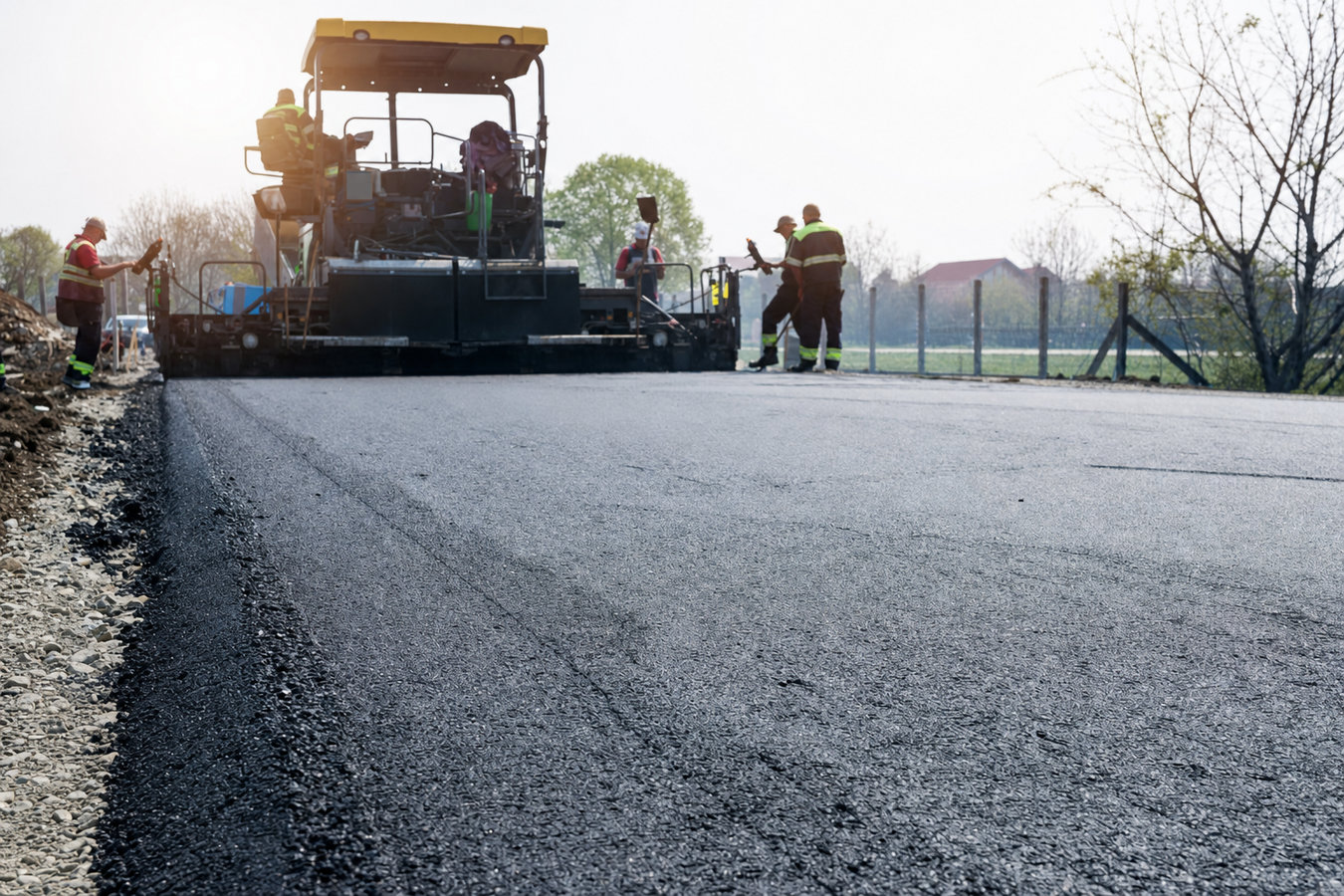
Asphalt repair in Santa Clarita means removing or treating the damaged portion of a driveway or parking area and replacing it with fresh material that bonds to the surrounding surface - most residential jobs are done in a single day, with vehicles back on the repaired area within 24 to 48 hours.
The calls we get most often from Santa Clarita homeowners are about damage that started small and got worse over one rainy season. Water is the main enemy of asphalt: once a crack opens, runoff and irrigation water get underneath the surface, soften the base, and turn a minor problem into a section that needs full-depth work. In the Santa Clarita Valley, where winter rains can arrive suddenly after a long dry stretch, that sequence happens faster than most homeowners expect.
It is also worth knowing that repair and sealcoating are not the same thing. Sealcoating is a surface coating that protects sound asphalt - it cannot fix a crack or a pothole. If you are seeing visible damage, that needs proper asphalt crack sealing or patching first. A contractor who applies sealer over active damage is hiding the problem, not solving it.
A hairline crack last year that is now wide enough to fit a finger in is a crack that is actively progressing. In Santa Clarita's clay-heavy soil, cracks tend to grow faster than in stable-ground areas because the ground beneath keeps moving seasonally. Catching them while still narrow is almost always cheaper than waiting.
A pothole means the base underneath has failed, not just the surface. Once asphalt collapses into a hole, water enters freely and the surrounding area begins to fail too. This is the point where repair is urgent - both for safety and to stop the damage from spreading to the rest of the driveway.
Interconnected cracks forming a pattern that looks like reptile skin mean the asphalt has lost its flexibility and the base is no longer supporting it. Common in Santa Clarita driveways baked by years of intense sun without protective sealing, this pattern typically requires cutting out and replacing the affected section rather than surface treatment alone.
Water pooling on your driveway after a storm or irrigation run means the surface has developed low spots from settling or base erosion. Standing water is the fastest way to turn a small crack into a large repair, especially heading into Santa Clarita's wet season. Addressing drainage and surface damage together is the right approach.
We handle residential and commercial asphalt repair across the Santa Clarita Valley, from simple crack filling to full-depth section replacement. Every job starts with an honest assessment of the base - not just the visible surface - because the type of repair that will actually last depends on what is happening underneath. For cracks that need flexible sealing before they widen further, we pair repair work with our dedicated asphalt crack sealing service, which uses material designed to move with the asphalt through seasonal temperature changes.
When damage has progressed to the point where a section needs full replacement rather than repair, we will tell you clearly - and if you need pothole work on adjacent areas, we can address those at the same time. We also handle pothole repair as a standalone service for parking areas and driveways where the collapse is isolated and the surrounding surface is still in reasonable shape.
Best for driveways where cracks are still narrow and the base underneath is still solid - keeps water out and stops the damage from progressing.
Suited to sections where the base has failed - the damaged asphalt is cut out, the base is rebuilt, and fresh asphalt is compacted in its place.
For holes and collapsed sections that create trip hazards or vehicle damage - base rebuilt, new material compacted to match surrounding grade.
Recommended for any repaired driveway once the new asphalt has fully cured - protects both old and new surfaces from UV damage and water intrusion.
Santa Clarita sees well over 280 sunny days a year, with summer temperatures regularly climbing into the mid-90s and above. That relentless UV exposure oxidizes the binders in asphalt faster than in cooler climates, turning the surface brittle and crack-prone even without any freeze-thaw action. On top of that, much of the valley sits on clay-bearing soils that swell when wet and shrink when dry. The combination - UV damage above and seasonal soil movement below - means Santa Clarita driveways typically need attention sooner than the national average, and a repair that does not account for what the ground is doing will not last. The National Asphalt Pavement Association has published installation and maintenance guidelines that inform how quality asphalt work should be done - you can read more at asphaltpavement.org.
Homeowners in Newhall and Canyon Country often have older properties where original driveways have been through decades of this cycle. The older the asphalt and the longer it has gone without sealing, the more vulnerable it is to cracking and base erosion when winter rains arrive. Scheduling repair in the dry season - late spring through early fall - gives the new material the best chance to cure and bond before the next wet season.
Call or submit the contact form describing what you see - cracks, potholes, soft spots, or general deterioration. We respond within one business day and schedule a free on-site visit.
We walk the surface, check whether the base underneath is still solid, and assess drainage. In Santa Clarita, we also look for signs of clay soil movement, since that affects what kind of repair will actually hold. You get a written estimate that explains the work and why it is the right approach.
The crew cuts clean edges around the damaged area, removes failed material, compacts the base if needed, and places fresh asphalt. For crack work, the crack is cleaned out, filled with flexible material, and smoothed flush. Most residential repairs finish within a few hours to a full day.
Keep vehicles off the repaired area for at least 24 to 48 hours - longer during summer heat. We walk you through the curing timeline and let you know when we recommend scheduling a sealcoat to protect the repair and surrounding asphalt.
Free written estimate. No pressure, no upsell. We respond within one business day.
(661) 404-1293We probe the sub-base before patching any section, because a repair that does not address a failed base will fail again. If the ground underneath has moved or eroded, we fix it at that depth - not just at the surface.
If your driveway is past the point where repair makes financial sense, we will tell you directly and explain why. We do not recommend patching a surface that needs replacement just to get a smaller job on the schedule.
The clay-heavy soils common across the Santa Clarita Valley are a leading cause of recurring driveway damage. We account for seasonal soil movement in base preparation so repairs are not fighting the same forces that caused the original damage.
California requires a state license for paving work above a set dollar amount. Our license is active and verifiable through the California Contractors State License Board. Ask any contractor for their number before signing anything.
The difference between a repair that holds for a decade and one that fails in a season comes down to whether someone actually checked the base and used the right material for the job. We work across the Santa Clarita Valley and understand what local conditions demand.
Seal active cracks with flexible material before water gets underneath and turns a surface problem into a base failure.
Learn MoreFull-depth pothole patching for driveways and parking areas where the asphalt has collapsed and the base needs rebuilding.
Learn MoreA small crack repaired now costs a fraction of a full section replacement after one wet winter. Call us today for a free, no-pressure estimate.